
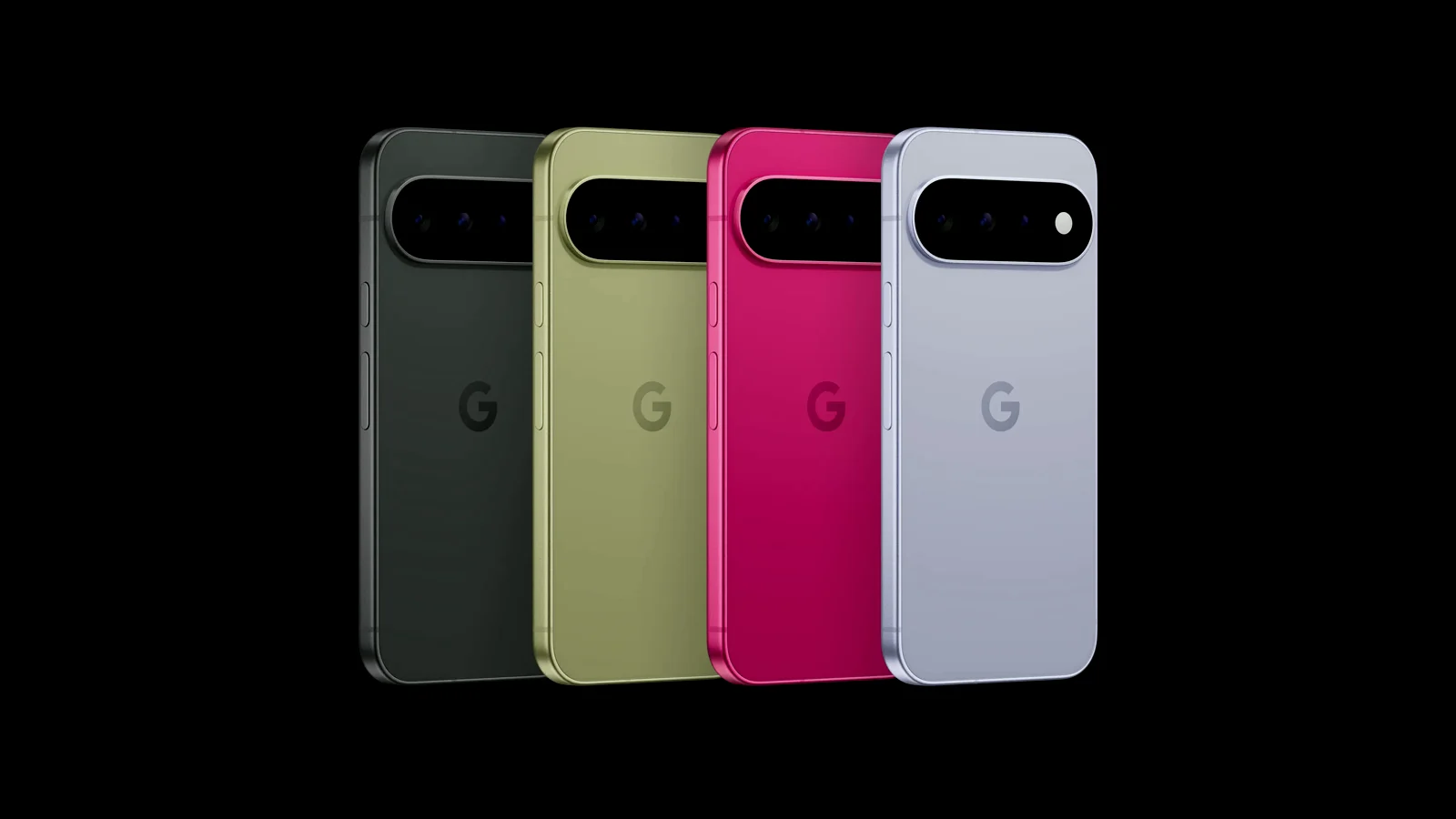
Google unveiled the Pixel 11, Pixel 11 Pro, and Pixel 11 Pro XL on August 12, 2026. The new lineup refines the Pixel's most recognizable visual feature with edge-to-edge glass across the camera bar and a 40% reduction in camera-bar thickness on the standard Pixel 11.
The launch is a useful example of hardware and interface design moving together. Google is using industrial design to make the device feel slimmer while adding quieter interactions that communicate without asking users to unlock or even look at the screen.
The camera bar becomes a cleaner surface
Rather than removing the horizontal camera bar, Google has made it more integrated. The continuous glass treatment preserves the Pixel silhouette while reducing the sense that the camera system is a separate component attached to the phone.
That continuity matters in mature product categories. When the basic smartphone form is fixed, improvements increasingly come from proportion, material transitions, weight, durability, and how components meet at the edges.
HiLight turns hardware into ambient UI
The Pro models add HiLight, a ring of colored LEDs around the camera flash. It can indicate whether Gemini is listening, thinking, or responding while the phone is face down. Users can also assign colors to important contacts for incoming calls.
This is a small but thoughtful interaction-design move. Instead of placing every status inside a screen, the phone exposes limited, glanceable information through light. The constraint is part of the value: users receive context without being pulled into the full interface.
Camera design shifts from capture to selection
Google's Magic Capture mode records a short sequence and analyzes roughly 500 frames, selecting strong moments and applying light edits such as cropping, straightening, or unblurring. The Pro telephoto camera uses a redesigned 48-megapixel sensor with 30% greater light sensitivity, according to Google.
The shutter is no longer the final decision point. The product is designed to preserve a moment first, then use computation to help find the best frame. That changes the camera experience from precise manual timing toward assisted curation.
Longer support is part of product quality
Tensor G6 powers the new imaging and Gemini features while Google promises seven years of operating-system, security, and Pixel Drop updates. That support period gives the physical design a longer useful life and makes software maintenance part of the product's durability story.
The broader lesson for digital product teams is clear: quality is not one surface. Form, feedback, intelligence, performance, and support need to reinforce one another if a product is going to feel coherent over time.